Soccer Heartbeat Euro Football Lover Design Review
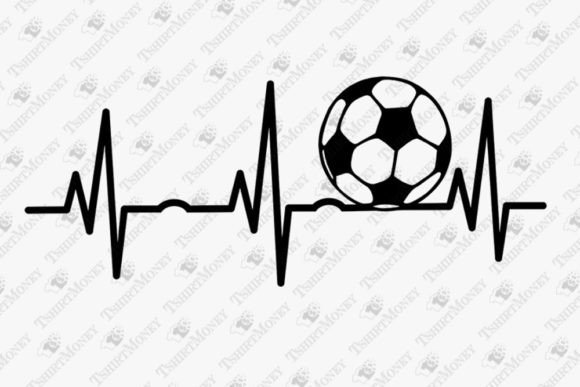
As a professional embroidery digitizer and product reviewer, I approach every new graphic with a specific question: will this actually stitch out well on real fabric? When evaluating the Soccer Heartbeat Euro Football Lover design, my first impression is that it captures a distinct niche energy. This isn't just a generic sports icon; the heartbeat motif combined with European football aesthetics suggests passion and movement. For those of us in the custom apparel space, this visual personality is crucial. It immediately signals to the buyer that this is for the dedicated fan, not the casual observer. However, translating a digital graphic into a tangible embroidered patch or sweatshirt embroidery requires more than just loading an embroidery file. It demands a critical eye toward how lines interact with fabric texture and how the design holds up after washing.
Translating Graphics to Stitched Reality
The product description notes that you receive SVG, PNG, DXF, and EPS formats compatible with cutting machines like Cricut and Silhouette Cameo. As an embroidery professional, I see these vector-based formats as excellent starting points for digitizing a machine embroidery design, but they are not stitch files themselves. This distinction matters immensely for your craft business. The clean lines of the Soccer Heartbeat Euro Football Lover graphic suggest it would digitize beautifully into a combination of satin stitch for the heartbeat line and fill stitch for the soccer ball elements.
In a recent project preparation for a local youth soccer club fundraiser, I considered this exact style of artwork for a tote bag design. Tote bags are unforgiving; the canvas is coarse, and the hoop size is often large, which can lead to registration issues if the design is too sparse. Because this design features a continuous "heartbeat" line, it naturally guides the eye across the garment. When digitizing this for embroidery, I would recommend keeping the running stitch or satin stitch width consistent to maintain that rhythmic flow. If the lines are too thin, they might get lost in the fabric texture of a heavy tote. Conversely, if they are too thick, the design loses its delicate, energetic feel. Balancing stitch density here is key to ensuring the handmade product looks professional rather than homemade.
Real-World Application: The Custom Sweatshirt Test
Let’s look at a practical scenario involving sweatshirt embroidery, which is currently a high-demand category for Etsy sellers and small shop products. Fleece and French terry fabrics have a pile that can swallow fine details. If I were using the Soccer Heartbeat Euro Football Lover concept for a crewneck sweatshirt, I would be cautious about tiny lettering or intricate shading within the ball itself. In my experience, designs with bold, clear silhouettes perform best on these textured surfaces.
For this specific design, the linear nature of the heartbeat makes it ideal for placement across the chest or wrapping around a sleeve. However, when creating a personalized gift or commercial embroidery piece on stretchy knit fabric, stabilization is non-negotiable. You must use a cut-away stabilizer to prevent the fabric from distorting under the tension of the stitches. Without proper support, even the most beautiful digital embroidery file will result in a puckered finished product that disappoints the customer. I always advise testing on a scrap of the exact fleece weight you intend to sell before committing to a full production run.
Navigating Fabric Limitations and Hoop Constraints
While the Soccer Heartbeat Euro Football Lover theme is versatile, there are environments where it requires careful handling. Small hoop sizes, such as those used for baby embroidery or cap logos, present unique challenges. The horizontal span of a heartbeat design can sometimes exceed the vertical limit of standard 4x4 hoops. Before purchasing or digitizing, verify the dimensions against your machine's capabilities. Resizing a design with satin stitches by more than 10-15% can compromise stitch integrity, causing thread breaks or coverage gaps.
Furthermore, consider the contrast between thread colors and the base fabric. On dark fabrics, light thread pops beautifully, but on white or heather grey garments, you may need to adjust the stitch density to ensure opacity. A dense fill stitch uses more thread and creates a stiffer hand-feel, which might be undesirable on a lightweight baby onesie but perfect for a structured embroidered patch. Always review the design in black and white mockups first to judge value contrast without the distraction of color. This step helps predict whether the design will remain legible and visually striking once stitched.
Commercial Viability for Makers and Sellers
For creative entrepreneurs and digital product sellers, understanding the end-use of T-Shirt Designs and Graphics is vital for marketing. When listing items derived from the Soccer Heartbeat Euro Football Lover asset, your customers are buying into the emotion of the sport. Your product photos and printable mockups should reflect this intensity. Show the design on a model in motion or styled with other football gear to establish context. Buyer engagement increases when they can visualize the item in their actual life, not just floating in a digital void.
If you are selling the physical finished product, consistency builds trust. Ensure that every sweatshirt or apron you produce maintains the same stitch quality and placement. Variations in hoop alignment or thread tension can make identical designs look different, hurting brand consistency. For those selling the digital assets or using them for print-on-demand alongside embroidery, remember that the SVG and DXF files provided are optimized for cutting. If you plan to offer a machine embroidery version, you must either digitize it yourself or hire a professional digitizer to convert those vectors into PES, DST, or JEF files suitable for embroidery machines. Never assume a vector file is ready-to-stitch; doing so is a common pitfall for new Etsy sellers.
Essential Pre-Stitch Checklist for Success
To ensure the Soccer Heartbeat Euro Football Lover design translates successfully from screen to fabric, follow these practical designer notes:
- Verify Licensing: Before listing any holiday embroidery or custom apparel for sale, confirm the license terms allow for commercial use of both the digital file and the physical finished product.
- Test Stitch Density: Run a sample on scrap fabric to check if the satin stitches are pulling the fabric or if the fill stitches are too sparse for the material type.
- Check Thread Contrast: Evaluate visibility on both light and dark backgrounds; adjust underlay stitches if necessary to prevent fabric show-through.
- Confirm Hoop Size: Measure the design dimensions accurately to ensure it fits your intended application, whether it is a cap, pocket logo, or full-back print.
- Stabilizer Selection: Match the stabilizer weight to the fabric; use tear-away for stable wovens and cut-away for knits and stretchy materials.
- Detail Inspection: Zoom in on corners and curves in your embroidery software to ensure no jump stitches are excessive and trims are optimized.
- Mockup Validation: Create realistic previews that accurately represent stitch texture, avoiding flat digital renders that mislead buyers about the handmade nature of the item.
Ultimately, the Soccer Heartbeat Euro Football Lover design offers strong potential for the niche market of football enthusiasts. Its success in your shop depends entirely on technical execution. By respecting the relationship between the digital graphic and the physical limitations of thread and textile, you elevate your work from simple crafting to professional apparel decoration. Whether you are making a personalized gift for a coach or stocking your boutique with tournament merchandise, taking the time to validate these technical details ensures your final product honors the passion of the game and the expectations of your customers.