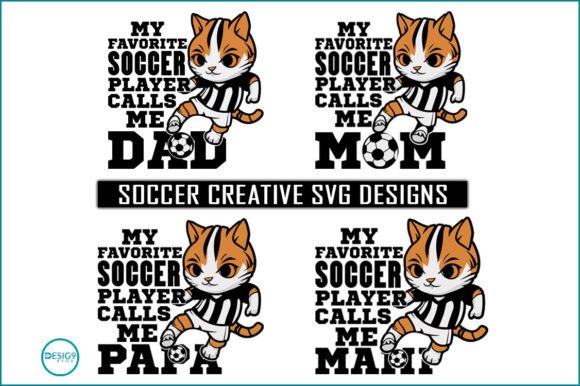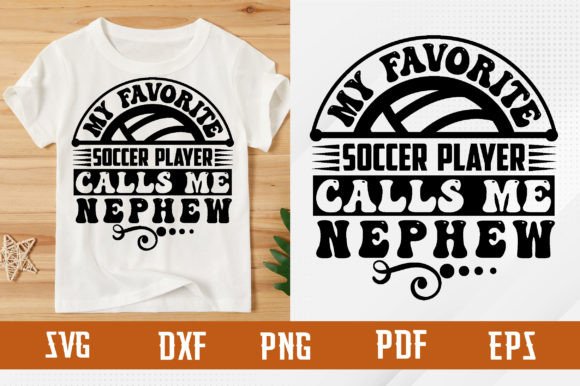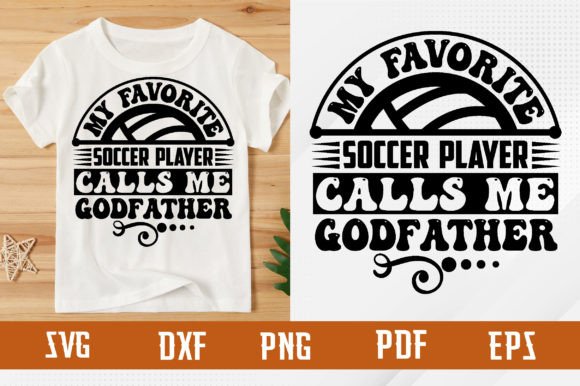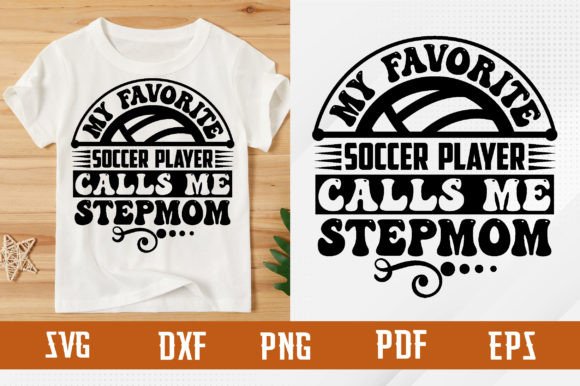
Favorite Soccer Player Calls Me Stepdad Design Review
When evaluating a new machine embroidery design for my shop, I look past the digital preview and immediately imagine how it will behave under the needle. The "Favorite Soccer Player Calls Me Stepdad" graphic catches my eye not just because of the sentimental value, but because of its specific layout challenges and opportunities. As a designer who regularly produces custom apparel and personalized gifts, I see this piece as more than just a cute saying; it is a test of digitizing quality and fabric compatibility. This review breaks down how this word-by-layer SVG translates from a digital file into a tangible, high-quality embroidered product that customers actually want to buy and wear.
First Impressions and Layout Dynamics
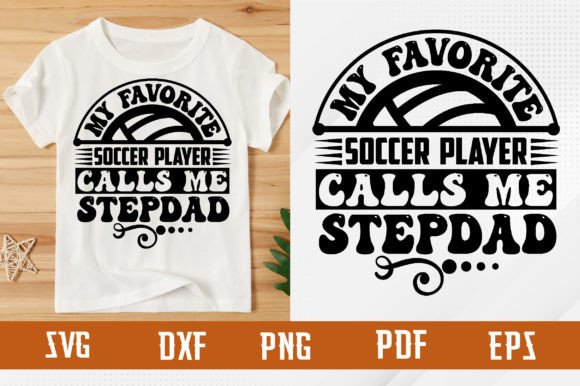
My initial assessment of Favorite Soccer Player Calls Me Stepdad focuses on the typography hierarchy. In T-shirt designs involving family titles, the balance between the descriptive text ("Favorite Soccer Player") and the emotional anchor ("Stepdad") is critical. Visually, this design appears to rely on a stacked or interlocking layout common in modern sports graphics. For an embroidery project, this is promising because it allows for color blocking without excessive jump stitches. However, as a reviewer, I am immediately checking the spacing. If the letters are too tight, we risk thread buildup; if they are too loose, the design loses its cohesive shape on smaller garments like baby onesies or youth tees.
The mood here is distinctly celebratory yet personal. It avoids the generic clip-art feel by focusing on the relationship dynamic rather than just a soccer ball icon. This makes it versatile for various demographics, from toddler shirts to adult sweatshirts. As a digital embroidery file, the word-by-layer structure suggests that each element can be manipulated individually, which is a massive advantage for crafters needing to adjust sizing or colors for specific client requests.
Real-World Application: The Custom Sweatshirt Test
To truly judge this asset, I mentally placed it in a real production scenario: creating a custom fleece sweatshirt for a stepfather’s birthday gift. Fleece is a high-pile fabric that can swallow fine details, making it the ultimate stress test for any embroidery file. In this context, Favorite Soccer Player Calls Me Stepdad needs to hold its own against the texture.
I envision using a heavy-weight tear-away stabilizer and potentially a water-soluble topping to keep the lettering crisp. Because this is likely a satin stitch or fill stitch hybrid, the contrast becomes paramount. On a navy blue sweatshirt, white or metallic silver thread would make the "Stepdad" portion pop, while a team-colored accent could highlight the soccer reference. This specific application highlights why checking stitch density is non-negotiable. If the digitizer made the satin columns too wide for the fleece, the edges will sink in. Conversely, if the running stitch outlines are too thin, they might disappear entirely. For Etsy sellers and small shop owners, getting this right on the first run establishes trust with buyers expecting boutique-quality results.
Fabric Compatibility and Technical Constraints
While this design shines on stable knits, there are environments where Favorite Soccer Player Calls Me Stepdad requires caution. I would advise fellow makers to pause before attempting this on highly stretchy performance wear without proper testing. Athletic mesh or thin polyester blends often distort under the tension of dense lettering. If you are producing commercial embroidery for local soccer teams or summer camps, ensure your hoop size accommodates the full width without requiring excessive stretching of the fabric.
Textured fabrics like terry cloth towels or pique polos also present challenges. The intricate layers of the text may require a heavier stabilizer foundation to prevent puckering. Additionally, consider the washability factor. A stepdad’s shirt is likely to be worn frequently and washed often. Verify that the stitch type used in the embroidery file is durable enough to withstand agitation. Satin stitches should be adequately anchored, and fill stitches should have appropriate underlay to prevent shifting over time. If the design includes tiny decorative accents or very small serif fonts, these may need to be simplified or removed when scaling down for baby embroidery or cap designs to maintain clarity.
Evaluating Visual Appeal and Market Value
From a business perspective, does Favorite Soccer Player Calls Me Stepdad justify the investment? Absolutely, provided it is executed with professional intent. Handmade products live or die by their finish. A clean, well-registered stitch-out of this design communicates competence. When customers see sharp edges and balanced spacing in your printable mockups or finished product photos, they perceive higher value. This design taps into a lucrative niche: blended family pride combined with sports enthusiasm. It is specific enough to feel personal but broad enough to appeal to many households.
For those selling digital assets or physical goods, brand consistency matters. Using this design across multiple mediums—perhaps matching tote bags for the soccer mom and caps for the stepdad—creates a cohesive collection. However, always confirm licensing terms before expanding into commercial embroidery or reselling modified versions. Understanding whether you have rights for physical products versus digital redistribution protects your craft business long-term.
Essential Designer Notes for Success
Before loading this SVG into your software or machine, adhere to these practical checkpoints to ensure a premium result:
- Test on Scrap Fabric First: Never assume a digital preview equals a perfect stitch-out. Run a test on material identical to your final project to check for registration issues or density problems.
- Verify Thread Color Contrast: View your color palette in grayscale. If the "Soccer Player" text and "Stepdad" text blend together in black and white, they will lack definition in thread form.
- Check Hoop Size Requirements: Confirm the dimensions fit your largest available hoop comfortably. Re-hooping mid-design increases the risk of misalignment, especially with multi-layer text.
- Inspect Small Details: Zoom in to 400% in your editing software. Look for overlapping stitches or gaps that could cause thread breaks or fabric tears during production.
- Stabilizer Selection is Key: Match your stabilizer weight to both the fabric and the design density. A complex word-by-layer design usually demands more support than a simple monogram.
- Mockup Validation: Create realistic mockups on both light and dark backgrounds. This helps identify potential visibility issues before you commit thread to fabric.
- Licensing Confirmation: Double-check the included documentation regarding commercial use for finished products versus digital file sharing to avoid legal pitfalls.
Final Thoughts for Makers and Sellers
Favorite Soccer Player Calls Me Stepdad represents a strong opportunity for personalized apparel creators. It bridges the gap between trendy sports aesthetics and heartfelt family messaging. Whether you are stitching a holiday gift, stocking an Etsy shop with unique dad gear, or fulfilling a custom order for a youth league parent, success lies in respecting the technical requirements of the medium. Treat this graphics file as a blueprint that requires your expertise to come alive. By paying attention to stabilizer choices, fabric limitations, and stitch integrity, you transform a simple digital download into a cherished, wearable memory. Always remember that in the world of handmade goods, the quality of the execution is just as important as the sentiment of the design itself.