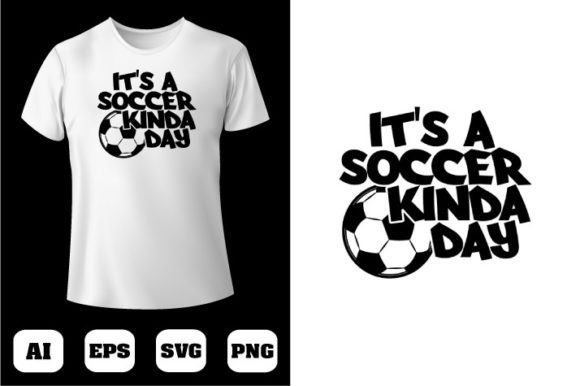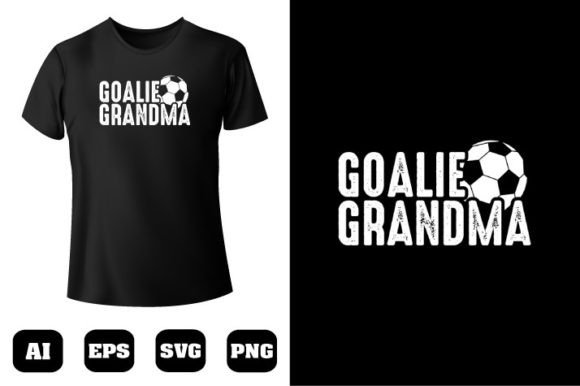
Soccer T-shirt Design 30: A Vector Review
As a designer who bridges the gap between digital graphics and physical embroidery, I approach every new asset with a specific question: will this actually stitch well? When evaluating Soccer T-shirt Design 30, my first impression is rooted in its vector foundation. Unlike raster images that lose integrity when manipulated, this design arrives as an Adobe Illustrator CC file with 100 resizable vector shapes. For those of us in the craft business or running an Etsy shop, this distinction matters immensely. The clean lines and scalable geometry suggest a design that was created with intention, offering a solid starting point for both print and needlework.
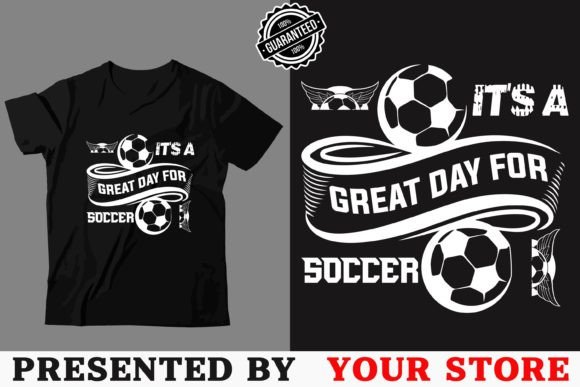
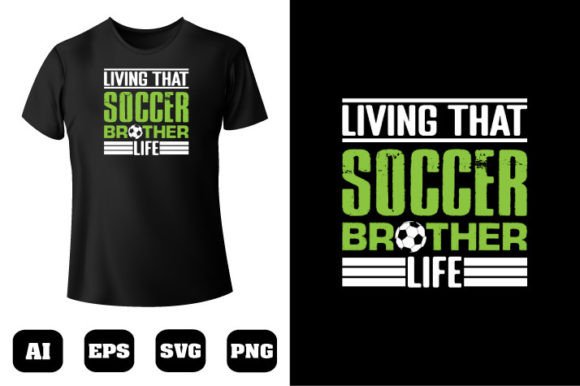
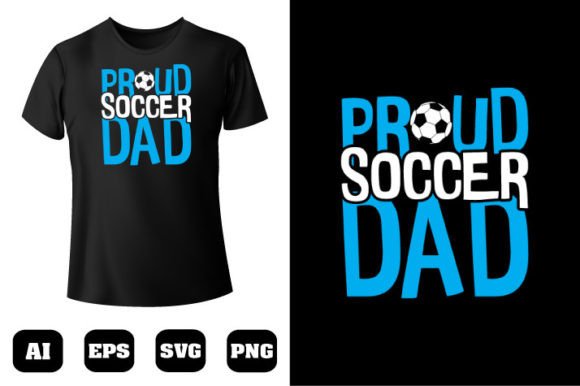
The visual personality of this graphic strikes a balance between energetic and structured. It avoids the chaotic clutter that often plagues sports-themed T-Shirt Designs, instead opting for clear silhouettes and defined color blocks. This clarity is exactly what I look for before committing to a machine embroidery design. In the digitizing world, ambiguity is the enemy; we need distinct areas for fill stitch, satin stitch, and running stitch. Soccer T-shirt Design 30 provides that necessary separation, making it a promising candidate for translation into thread without requiring excessive manual cleanup or redrawing.
Real-World Application: The Youth Team Sweatshirt Test
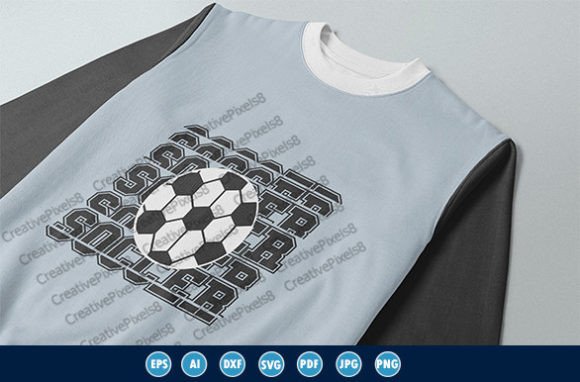
To truly judge the utility of these Graphics, I mentally placed them into a recent client scenario: creating custom warm-up gear for a local youth soccer club. The client wanted something vibrant but durable enough for sideline wear. Because Soccer T-shirt Design 30 includes 100 changeable colors, I could instantly adapt the palette to match the team’s specific branding without degrading the artwork. This flexibility is a massive time-saver for commercial embroidery projects where turnaround times are tight and brand consistency is non-negotiable.
In this sweatshirt application, the vector nature of the file allowed me to scale the central motif up for the back panel and down for a chest logo while maintaining crisp edges. For a handmade product like this, edge definition translates directly to perceived value. If the source art is pixelated, the resulting embroidery looks amateurish. Here, the high-quality 300 dpi specification ensures that even if you choose to use this as a printable mockup for client approval before stitching, the presentation remains professional. The design holds its own on heavier fleece fabrics, where fine details can sometimes get lost, because the core shapes are bold and purposeful.
Navigating Fabric Variables and Hoop Constraints
While the vector source is excellent, practical application requires caution regarding fabric choice. Soccer T-shirt Design 30 appears optimized for stable, medium-weight materials. If you are planning a tote bag design or working with canvas aprons, the design’s structure will likely perform beautifully. However, I would advise careful testing if applying this to performance wear or stretchy jersey knits common in athletic apparel. Vector art does not inherently account for fabric push-and-pull distortion. You must verify your stabilizer strategy and potentially adjust the underlay in your digitizing software to prevent the design from warping on elastic substrates.
Hoop size is another critical consideration. While the "100 vector shapes re-sizable" feature suggests infinite scalability, physics still applies. Shrinking this design too small for a baby onesie or cap might cause adjacent elements to merge during stitching. Conversely, enlarging it beyond standard hoop sizes for a blanket may require splitting the design. Always confirm your machine’s maximum field size against the intended dimensions of the finished product. For baby embroidery or items with seams and zippers, ensure the design placement avoids bulky areas that could cause hoop slippage or needle deflection.
Enhancing Product Value and Customer Trust
For Etsy sellers and small shop owners, the quality of your base assets directly influences buyer engagement. Using a polished, editable vector like Soccer T-shirt Design 30 signals professionalism. Customers can spot the difference between a generic clip-art patch and a thoughtfully executed embroidered patch or appliqué. The ability to customize colors means you can offer personalized options—such as matching a child’s favorite color or a specific tournament theme—which significantly increases the giftability and commercial viability of your listings.
Furthermore, having the AI and EPS files included adds long-term value to your design assets library. Even if you primarily sell physical goods, retaining the source vector allows you to create cohesive marketing materials. You can use the same high-resolution graphic for website banners, social media posts, and packaging stickers, ensuring your brand identity remains consistent across all touchpoints. This level of cohesion builds trust and recognition, distinguishing your boutique products from competitors using disparate, low-quality stock imagery.
Essential Pre-Stitch Designer Notes
Before loading this design into your production queue, please adhere to these practical checkpoints. Remember that while the product description highlights print readiness and vector editability, it does not specify pre-digitized stitch parameters. You must treat this as a premium source image for digitizing rather than a plug-and-play digital embroidery file.
- Test on Scrap Fabric First: Never run a new design on a final garment without a test stitch-out. Use a fabric weight and weave identical to your finished product to check for registration issues.
- Verify Licensing Terms: Confirm whether your purchase allows for commercial use of the digitized version. Some licenses cover print-on-demand but restrict selling embroidered goods or reselling the digitized file itself.
- Check Thread Color Contrast: Utilize the 100 color changeable feature to simulate different thread combinations. Ensure there is sufficient contrast between outline and fill areas so the design reads clearly from a distance.
- Inspect Small Details: Zoom in on the vector nodes. If any shape is thinner than 1mm at your intended size, consider widening it or converting it to a running stitch to prevent needle breaks or fabric perforation.
- Mockup Validation: Create black and white mockups alongside color versions. If the design relies entirely on color contrast rather than value contrast, it may fail on monochrome garments or when viewed in low light.
- Stabilizer Selection: Match your backing to the fabric texture. A tear-away might suffice for the tote bag mentioned earlier, but a cut-away is likely mandatory for any stretchy athletic wear derived from this template.
Final Thoughts for Makers and Decorators
Soccer T-shirt Design 30 represents a versatile foundation for creative entrepreneurs. Its strength lies in its clean vector architecture and extensive customizability, making it suitable for everything from holiday embroidery gifts to year-round team merchandise. By respecting the technical requirements of translating vector art to thread and performing due diligence on fabric compatibility, you can leverage this asset to produce high-quality, professional results. Whether you are crafting a personalized gift for a young athlete or expanding your shop’s athletic collection, this design offers the reliability and aesthetic appeal necessary to satisfy both the maker’s standards and the customer’s expectations.